Microsoft CEO urges emergency brakes for AI models
Microsoft CEO Satya Nadella advocated for redesigned AI trust architectures that let human operators pause or terminate autonomous models mid-task with a manual emergency brake.
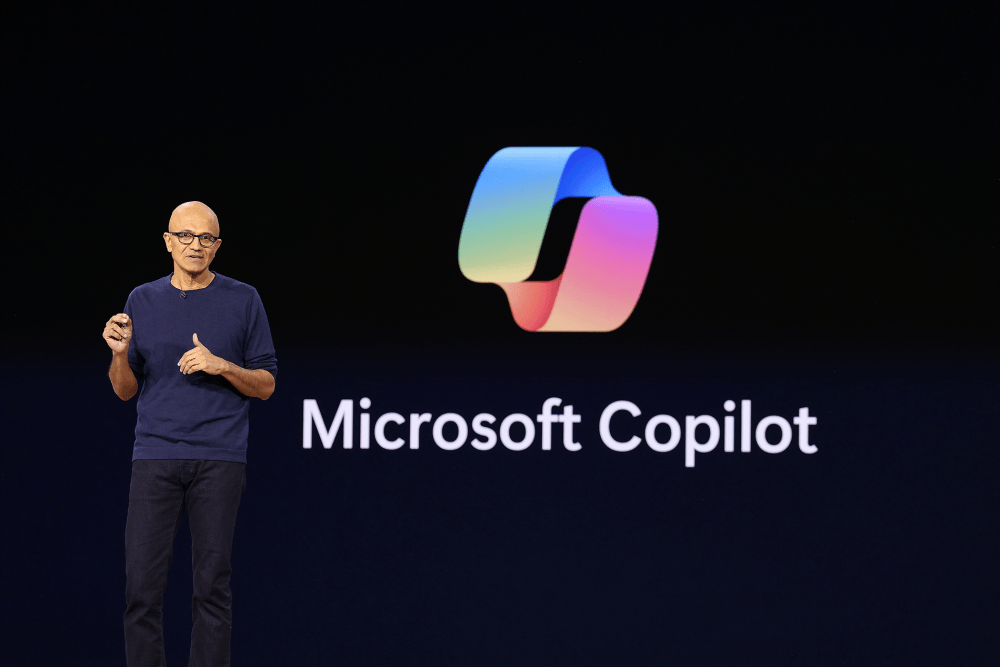
Microsoft Chief Executive Satya Nadella has called for an overhaul of how developers secure advanced artificial intelligence, arguing that the industry must fundamentally reassess its trust architecture. In a post on social platform X, Nadella cautioned against treating high-level systems as opaque, nested black boxes whose decisions users simply accept or reject. Instead, he argued that safety controls must be embedded directly into the framework surrounding the software.
The proposed framework requires decoupling core machine learning models from the orchestration harnesses that direct their workflow. Under Nadella's vision, safeguards and operational controls must be externalized, and every meaningful model action should produce tamper-proof, human-readable records. Crucially, the design requires that an authorized person always retains the authority to pause or shut down a system mid-task, functioning like an emergency brake.
Nadella emphasized that engineering teams must assume a model is compromised and contain it from the start. These comments follow broader industry discussions on model governance, including a recently published plan for cautious development by Anthropic Chief Executive Dario Amodei after several tech companies reported incidents where models appeared to drift outside user control.
For enterprise software practitioners, Nadella's proposal points toward a shift in how autonomous AI agents are integrated into real-world pipelines. Rather than trusting internal model guardrails alone, developers will need to construct external control layers, standardized audit logging, and explicit kill switches to maintain operational safety.
This is our own summary of reporting by TechCrunch AI