OpenAI Adds WebMCP to ChatGPT and Launches Hackathon
OpenAI has integrated the WebMCP standard into ChatGPT and launched a 10-day hackathon, allowing websites to communicate directly with AI agents without relying on screen scraping.
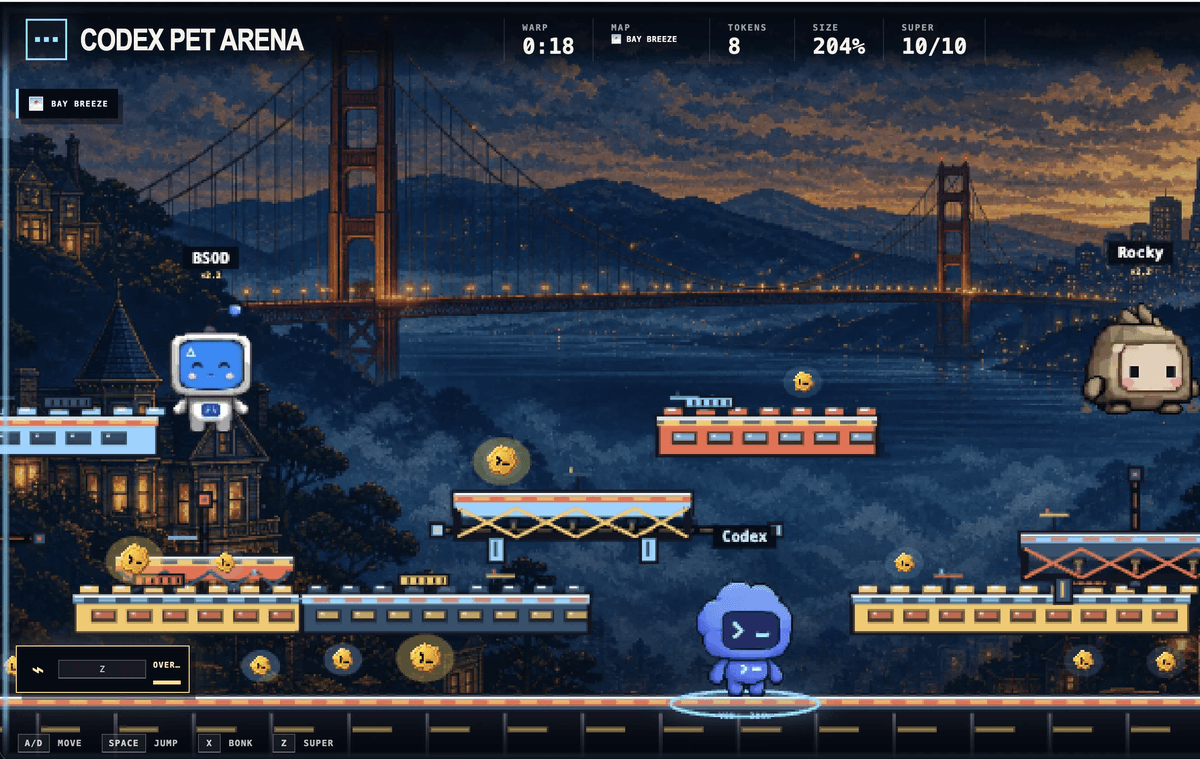
OpenAI has integrated the WebMCP standard into its ChatGPT desktop browser and ChatGPT Sites deployments, launching a 10-day hackathon to accelerate adoption. The WebMCP Challenge, co-sponsored by Google Chrome, Cloudflare, Shopify, Vercel, Render, and Netlify, runs until September 3, with winners announced on September 23. The initiative aims to transition AI agents away from fragile visual scraping and toward direct, browser-native tool execution.
WebMCP is a browser-side sibling of the Model Context Protocol, developed by W3C engineers from Google and Microsoft and first announced on February 10, 2026. Unlike traditional MCP, which requires a backend server in Python or Node.js, WebMCP runs entirely within the browser tab using the document.modelContext API. This allows websites to expose JavaScript tools directly to agents like ChatGPT or Codex, sharing the user's active session and security permissions without backend overhead. Currently, the specification supports named functions with typed input schemas, though it lacks MCP's resource or prompt primitives.
To incentivize developers, the hackathon will award the top 10 submissions a prize package including $3,000 in cash from OpenAI, a Codex Micro keyboard, a one-year ChatGPT Pro subscription, and a Google AI Ultra subscription. Sponsors are adding extra rewards, including $250 in Shopify Supply gear, and Vercel credits worth $300 per month plus $50 per month in Gateway credits for a full year.
For developers and practitioners, WebMCP changes how AI agents interact with web applications. Instead of building complex scraping workarounds or hosting separate backend APIs, developers can write simple client-side JavaScript functions that agents can call directly. This reduces compute costs, eliminates visual interpretation errors, and allows agents to perform complex tasks like 3D modeling, collaborative writing, or querying local DuckDB-Wasm databases seamlessly within the user's browser session.
This is our own summary of reporting by AlphaSignal



%22%3E%0A%3Cstop%20offset%3D%220%25%22%20stop-color%3D%22%233a2c14%22%2F%3E%3Cstop%20offset%3D%22100%25%22%20stop-color%3D%22%237d6534%22%2F%3E%0A%3C%2FlinearGradient%3E%3C%2Fdefs%3E%0A%3Crect%20width%3D%22800%22%20height%3D%22500%22%20fill%3D%22url(%23g)%22%2F%3E%0A%3Cg%20stroke%3D%22%23ffffff%22%20stroke-opacity%3D%220.10%22%20stroke-width%3D%222%22%3E%0A%3Cline%20x1%3D%22-200%22%20y1%3D%22500%22%20x2%3D%22100%22%20y2%3D%220%22%2F%3E%3Cline%20x1%3D%22-60%22%20y1%3D%22500%22%20x2%3D%22240%22%20y2%3D%220%22%2F%3E%3Cline%20x1%3D%2280%22%20y1%3D%22500%22%20x2%3D%22380%22%20y2%3D%220%22%2F%3E%3Cline%20x1%3D%22220%22%20y1%3D%22500%22%20x2%3D%22520%22%20y2%3D%220%22%2F%3E%3Cline%20x1%3D%22360%22%20y1%3D%22500%22%20x2%3D%22660%22%20y2%3D%220%22%2F%3E%3Cline%20x1%3D%22500%22%20y1%3D%22500%22%20x2%3D%22800%22%20y2%3D%220%22%2F%3E%3Cline%20x1%3D%22640%22%20y1%3D%22500%22%20x2%3D%22940%22%20y2%3D%220%22%2F%3E%3Cline%20x1%3D%22780%22%20y1%3D%22500%22%20x2%3D%221080%22%20y2%3D%220%22%2F%3E%0A%3C%2Fg%3E%0A%3Ctext%20x%3D%2248%22%20y%3D%22430%22%20font-family%3D%22Helvetica%2CArial%2Csans-serif%22%20font-size%3D%22132%22%20font-weight%3D%22800%22%0A%20fill%3D%22%23ffffff%22%20fill-opacity%3D%220.22%22%20letter-spacing%3D%22-4%22%3EDB%3C%2Ftext%3E%0A%3C%2Fsvg%3E)